
Vientiane heritage tour introduces newly restored cultural sites
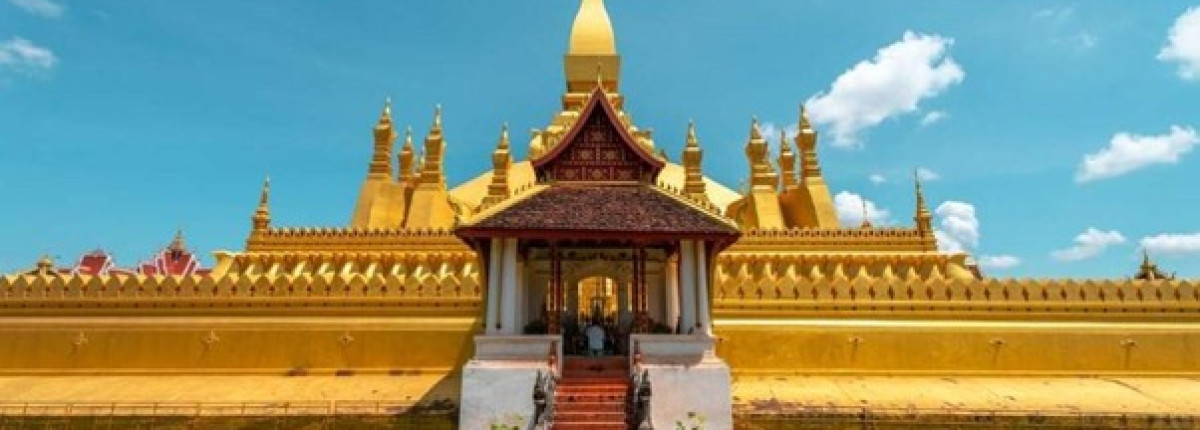
Vientiane, the gentle capital of Laos, has always been known for its slow-paced charm, Buddhist spirituality, and warm local culture. But in recent months, the city has been receiving renewed attention from travelers after several key heritage sites completed major restoration projects. As a result, the Vientiane heritage tour is quickly becoming one of the most sought-after cultural experiences in the region, especially among travelers who appreciate meaningful, immersive journeys rather than fast-paced sightseeing.
The revitalization of temples, colonial buildings, and traditional craft areas has added new depth to Vientiane’s cultural landscape. These upgrades not only enhance the visitor experience but also preserve Laos’ cultural identity for future generations. This article explores what has changed, why these updates matter, and how they are shaping the growing demand for heritage-focused travel in Laos.
1. A wave of restoration brings new life to Vientiane’s cultural landmarks
Several iconic cultural sites in Vientiane have recently undergone thoughtful restoration. These enhancements aim to protect historic structures while making them more accessible and educational for modern travelers joining a Vientiane heritage tour.
Some of the most notable improvements include:
- Wat Sisaket Renovation: The city’s oldest surviving temple has restored its inner cloister walls and thousands of Buddha images, offering visitors a richer experience and better preservation of ancient artifacts.
- Upgrades at Haw Phra Kaew: Once a royal temple, it now features updated displays and improved lighting, allowing travelers to better appreciate the delicate carvings and cultural symbolism.
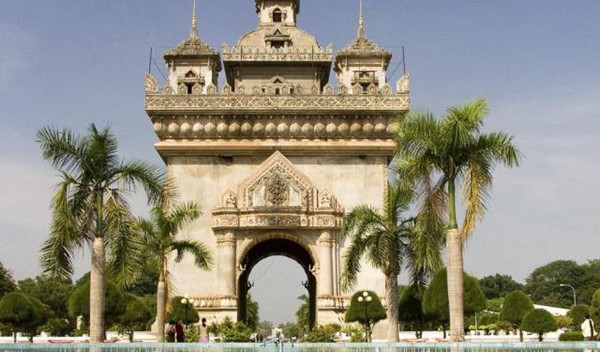
- Enhanced Patuxai area: Surrounding gardens and pathways have been renovated, making the landmark more walkable and photogenic, especially during sunset.
- Revival of handicraft villages: Local textile and pottery villages have reorganized workshop spaces, enabling tourists to participate directly in craft-making traditions.
These restorations ensure that the Vientiane heritage tour is not simply a series of historical stops but a vibrant journey through living culture.

2. Why travelers are increasingly drawn to the Vientiane heritage tour
The renewed interest in the city’s cultural attractions is driven by several key factors—each rooted in the evolving preferences of global travelers.
2.1. Authenticity and quiet charm
In contrast to many bustling Asian capitals, Vientiane has preserved a peaceful atmosphere. Travelers looking for a calm yet culturally rich destination often choose the Vientiane heritage tour because it blends authenticity with accessibility. The restored temples, French-influenced streets, and riverside viewpoints allow visitors to explore history without feeling overwhelmed.
2.2. Growing demand for meaningful travel
More travelers now prefer deeper cultural understanding over quick photo stops. They want to learn stories, traditions, and rituals. The newly restored sites help create this kind of meaningful engagement, offering:
- Better-curated exhibits
- Clearer historical explanations
- Improved access to sacred spaces
- Opportunities for hands-on cultural activities
2.3. Enhanced facilities for international visitors
Alongside the restoration, Vientiane has improved its tourist infrastructure—cleaner pathways, new signage, more comfortable walkways, and guided services. These upgrades make the Vientiane heritage tour smoother and more enjoyable for both seasoned travelers and first-time visitors.
3. Restored cultural sites that enrich the Vientiane heritage tour
3.1. Wat Ong Teu
A well-known Buddhist learning center, Wat Ong Teu has restored several prayer halls, updated murals, and enhanced lighting for evening ceremonies. Visitors now gain a clearer view of religious symbols during monk chanting sessions.
3.2. Talat Sao Heritage Wing
Part of the old market has been preserved to showcase local artisanship. Traditional weaving, jewelry-making, and woodcraft workshops provide immersive experiences for travelers wanting to understand Lao craftsmanship.
3.3. Chao Anouvong Park Enhancements
The city’s riverside park has been updated to include cultural storytelling points and scenic rest areas. Travelers on the Vientiane heritage tour can enjoy calm Mekong views while learning about the historical figure King Anouvong.
3.4. Revived colonial villas
Several French-colonial administrative houses have been repainted, stabilized, and opened for cultural exhibitions. These buildings enrich the tour with narratives about Laos’ past interactions with Europe.
These thoughtful restorations help preserve the city’s layered identity: Buddhist, French-influenced, spiritual, and gently modern.
4. New experiential elements added to the Vientiane heritage tour
Beyond structural restoration, tour operators have incorporated new experiential offerings to deepen cultural connection. These additions make the Vientiane heritage tour feel more personalized and emotionally engaging.
4.1. Cultural workshops
Visitors can now learn:
- Traditional Lao calligraphy
- Natural-dye weaving
- Clay-pot shaping
- Buddhist meditation practices
These hands-on activities allow travelers to build emotional ties to the local culture.
4.2. Storytelling-led temple walks
Instead of simple guided tours, some operators now offer interpretive storytelling featuring:
- Ancient myths
- Architectural symbolism
- Ritual meanings
- Local legends passed down for generations
This brings heritage to life in an intimate, memorable way.
4.3. Culinary connections
Food is also becoming part of the cultural journey. Some variations of the Vientiane heritage tour now include:
- Visits to traditional morning markets
- Tasting sessions of local dishes like laap and khao piak
- Demonstrations on how monks prepare simple temple meals
These interactions bridge cultural understanding through flavor and storytelling.
5. How restoration efforts support sustainable tourism
The restoration projects align closely with Laos’ broader goal of promoting sustainable, community-based tourism. By revitalizing cultural sites, the government and local communities ensure that tourism revenue directly supports:
- Artisan livelihoods
- Temple maintenance
- Training for local guides
- Preservation of cultural traditions
- Development of environmentally friendly visitor facilities
This approach helps ensure that the Vientiane heritage tour remains meaningful and sustainable for years to come.
6. Start Crafting Your Dream Journey with Glamour Adventures
The newly restored cultural sites in Vientiane have breathed new life into Laos’ capital, making it a more compelling destination for travelers seeking depth, authenticity, and calm beauty. As cultural landmarks re-emerge with enhanced accessibility, the Vientiane heritage tour is becoming a signature experience for those wanting to appreciate Laos through its heritage, stories, and quiet elegance.
For travelers wishing to explore Vientiane through private, personalized, and high-quality cultural experiences, Glamour Adventures offers curated journeys crafted with care, cultural respect, and attention to detail. Whether you want an intimate temple walk, a heritage-focused itinerary, or a deeper look into Lao craftsmanship, Glamour Adventures can design a meaningful journey aligned with your interests.
Contact us for a free consultation & tailored itinerary:
- Address: 8 Bau Oc Thuong str., Hoi An, Vietnam
- Email: [email protected]
- WhatsApp: +84 962 311 786
- Website: https://glamouradventures.com
- Request a Quote: https://glamouradventures.com/request-a-quote
Other Articles
YOU MAY ALSO LIKE
19 DAYS - Private Vietnam 19 Days 18 Nights - Explore Vietnam

23 DAYS - Private Vietnam 23 Days 22 Nights - Major of VietNam Trip

38 DAYS - Private Vietnam- Laos- Cambodia- Thailand 38 Days 37 Nights - Southeast Asia Odyssey
Speak to Your Local Travel Expert




Tailor-made My Dream Trip
Excellent
 5/5 Based on Tripadvisor Reviews>
 MRIAZ5280
17th September 2025
MRIAZ5280
17th September 2025
Excellent & Wonderful tour of beautiful Country Vietnam
Myself & my wife booked a 15 day trip of Vietnam. We visited Hà Nội, Ninh Binh, Sapa, Ha long bay, Da Nang, Hoi An, Ho Chi Minh City and Me kong river delta. Vietnam is very beautiful Country. It was a fully guided tour with English speaking guides and wonderful transport arrangements. Our guides were Mr Tu- Steve , Mrs. Du Du, Fletcher Chun & Lê Trí Bình. All of these guides are very professional and Noble people . Very polite and humble. They guided us in excellent manner. Best of all is Miss Van Quang who managed this tour in excellent manner. Very smooth sailing throughout our tour regarding transport, hotels & flights. We are very happy and had a safe arrival home. Go35410861326
24th September 2025
Go35410861326
24th September 2025
Glamour adventures A+++++
We planned our 1st trip to vietnam with glamour adventures and our agent was an.She was fantastic every part of our 2 week trip from ho chi minh upto hoi an and onto hanoi with internal flights all hotels and excursions which an helped us plan. Everthing was fabulous all our guides BINH in ho chi minh was funny we had a great time on our days out with him and driver thank you. Then onto hoi an and our guide was FLETCHER we had such a great time on our tours in hoi an and upto ba na hills such a laugh .the onto hanoi where STEVE was our guide again great fun. All of our guides where so knowledgable about their cities and was always able to give advice on good places to see and do on our freetime thank you all for such experience. But finally back to agent AN. Thank you so much it was a pleasure to meet up with you in hoi an. We highly recommend glamour adventures If your planning a trip to vietnam or anywhere in asia thank you all lee & paula ❤️❤️❤️ John D
13th November 2025
John D
13th November 2025
You MUST USE Glamour Adventures !!!!
We just had the most incredible three weeks in Vietnam and it was largely due to the unbelievable planning, care and attention from the wonderful folks at Glamour Adventures. We worked with Rose and Uyen to plan our trip and everything was taken care of efficiently, professionally and to perfection. Everything you can imagine was thought of including dietary restrictions. There was only one small issue which was dealt with professionally and to our satisfaction. We can’t say enough good things about Glamour Adventures and if you want to visit Vietnam or any of the other countries that they support, you will absolutely be thrilled with your experience. Thank you Rose and Uyen for the wonderful memories. Love Lisa and Michael from Canada B790FGandreal
13th November 2025
B790FGandreal
13th November 2025
Amazing 4 days in nature
Glamorous adventures customized a tour for us to experience Veitnam's outdoors. Their combination and dedication to service was amazing!! When the typhoon arrived they rearranged everything for us to keep us safe but also kept us enjoying our trip. I3147AVrogerg
13th November 2025
I3147AVrogerg
13th November 2025
Great experience with our tour in and around Luang Prabang in Laos
We had a fantastic experience An put together a great tour and chose a fine local agent for us to tour us around every thing was super well, done, very comfortable, great location, no headache at all, simply very well organised Mrs. Xamaytha Rivera
01st April 2026
Mrs. Xamaytha Rivera
01st April 2026
Amazing Vietnam ❤️
Excellent service, excellent price and a fantastic customer service Tina Thai we did 40 days I Vietnam and I can’t complain for anything, really recommend ❤️-cr-400x400.jpg) Mrs. Vicki
01st April 2026
Mrs. Vicki
01st April 2026