
Vietnamese Lunar New Year (Tết): A Cultural Journey Through Tradition, Family, and New Beginnings
The Spirit of Tết: What It Means to Vietnamese People
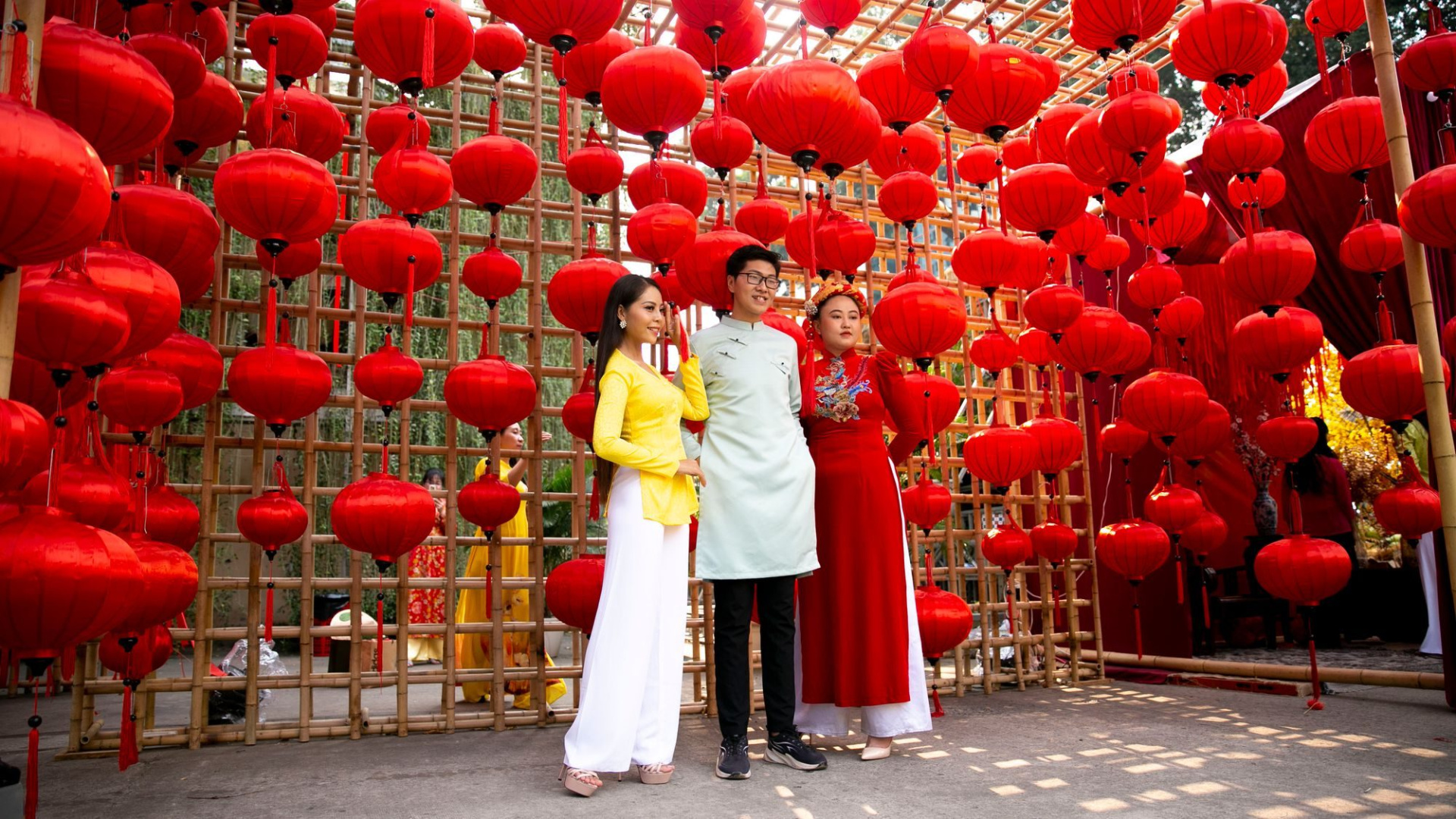
Tết is a celebration of reunion and remembrance. It is the time when Vietnamese families honor Heaven and Earth, express gratitude to ancestors, and pay respect to the gods who protect the household. Throughout the holiday, rituals vary depending on local customs and beliefs, but the message remains the same: to begin the year with a pure heart, a peaceful home, and a hopeful mind.
It’s also a moment to release old burdens. People let go of failures, forgive past misunderstandings, and step into the new year with optimism. Homes are cleaned, spirits are lifted, and delicious food fills every kitchen. The entire country seems to exhale — slowly, joyfully — before taking its first step into the new year.
Three Main Phases of the Vietnamese Lunar New Year
1. The Pre-Tết Rush (Around Dec 22–30 Lunar Calendar)
This is when the festive energy truly begins.
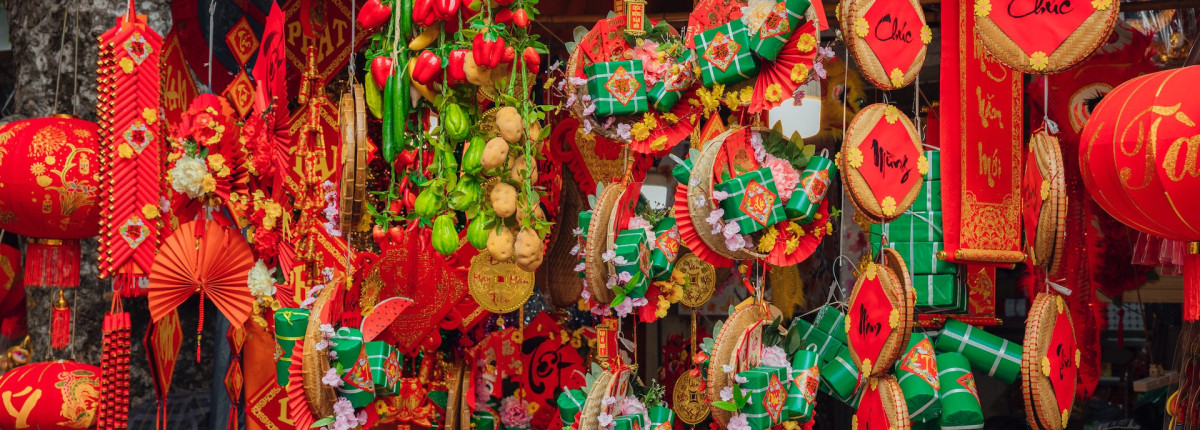
Families clean their homes, repaint walls, replace old items, and open up space for fresh luck. Flower markets burst into color with apricot blossoms in the South and peach blossoms in the North. Kumquat trees fill the streets like tiny bursts of sunshine.
The most important ritual of this period is the Kitchen Gods Ceremony. According to tradition, the Kitchen Gods return to Heaven to report a family’s events of the past year. People prepare offerings to wish for protection and blessings in the coming year.
This is also when households start making traditional foods such as bánh chưng, bánh tét, candied fruits, and homemade treats. These dishes must last through the holiday since cooking is limited once Tết officially begins.
Families visit one another to deliver gifts — tea, wine, fruit baskets, homemade treats — as a symbol of affection and support. By the final days of the year, most families host their Year-End Feast, a warm gathering to close the old year with laughter and gratitude.
2. Tết – The New Year Days (From New Year’s Eve to the 6th Day)
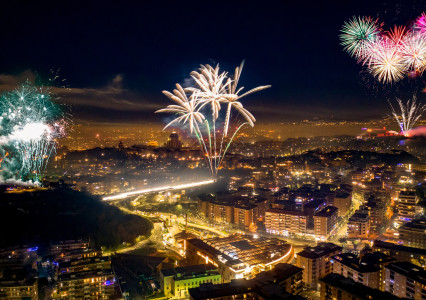
When midnight arrives, streets fill with fireworks, prayers, temple bells, and joyful crowds. Some families hold a New Year’s Eve offering at home, others head straight to pagodas, churches, or public squares to welcome the new energy of the year.
The first days of Tết come with many traditional beliefs about luck. People try to speak kindly, avoid breaking objects, avoid sweeping the floor, and refrain from paying debts or lending money. It’s all about protecting good fortune.
Each day of Tết has its own meaning:
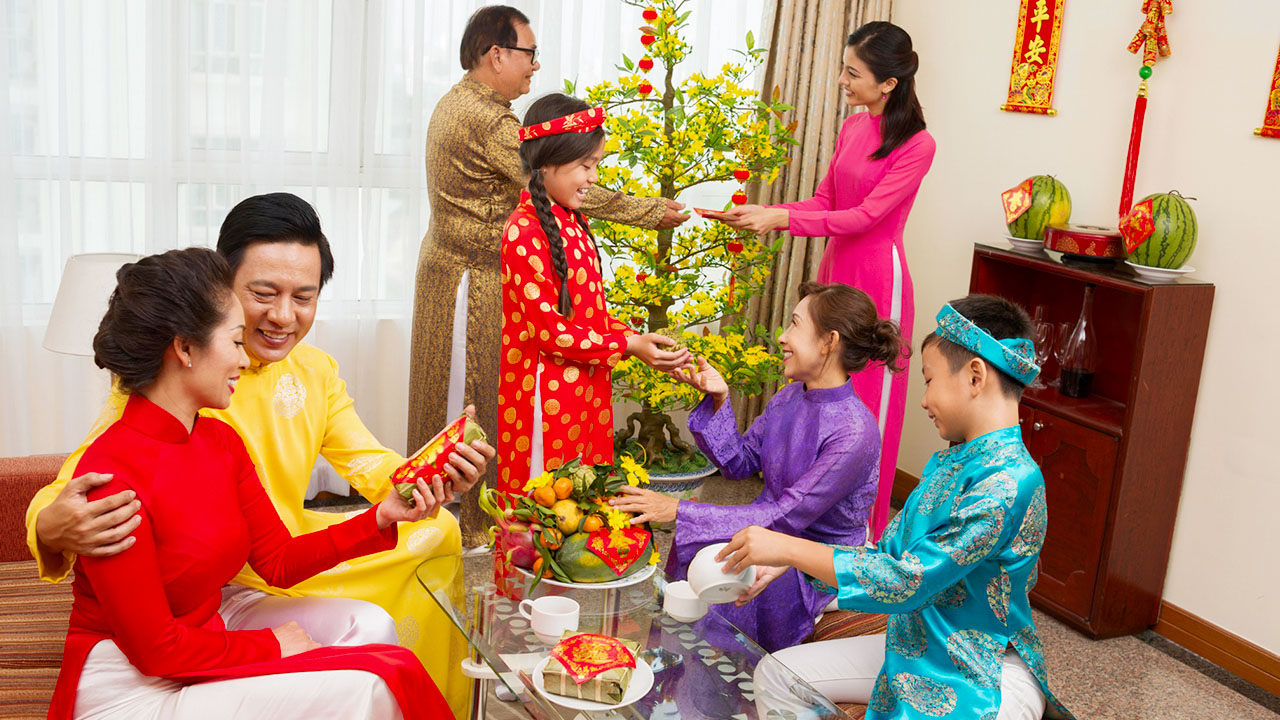
• The 1st day is for visiting paternal relatives.
• The 2nd day is for maternal relatives.
• The 3rd day is for teachers and mentors.
After that, families begin visiting friends, colleagues, and neighbors — or go on short vacations for a fresh start.
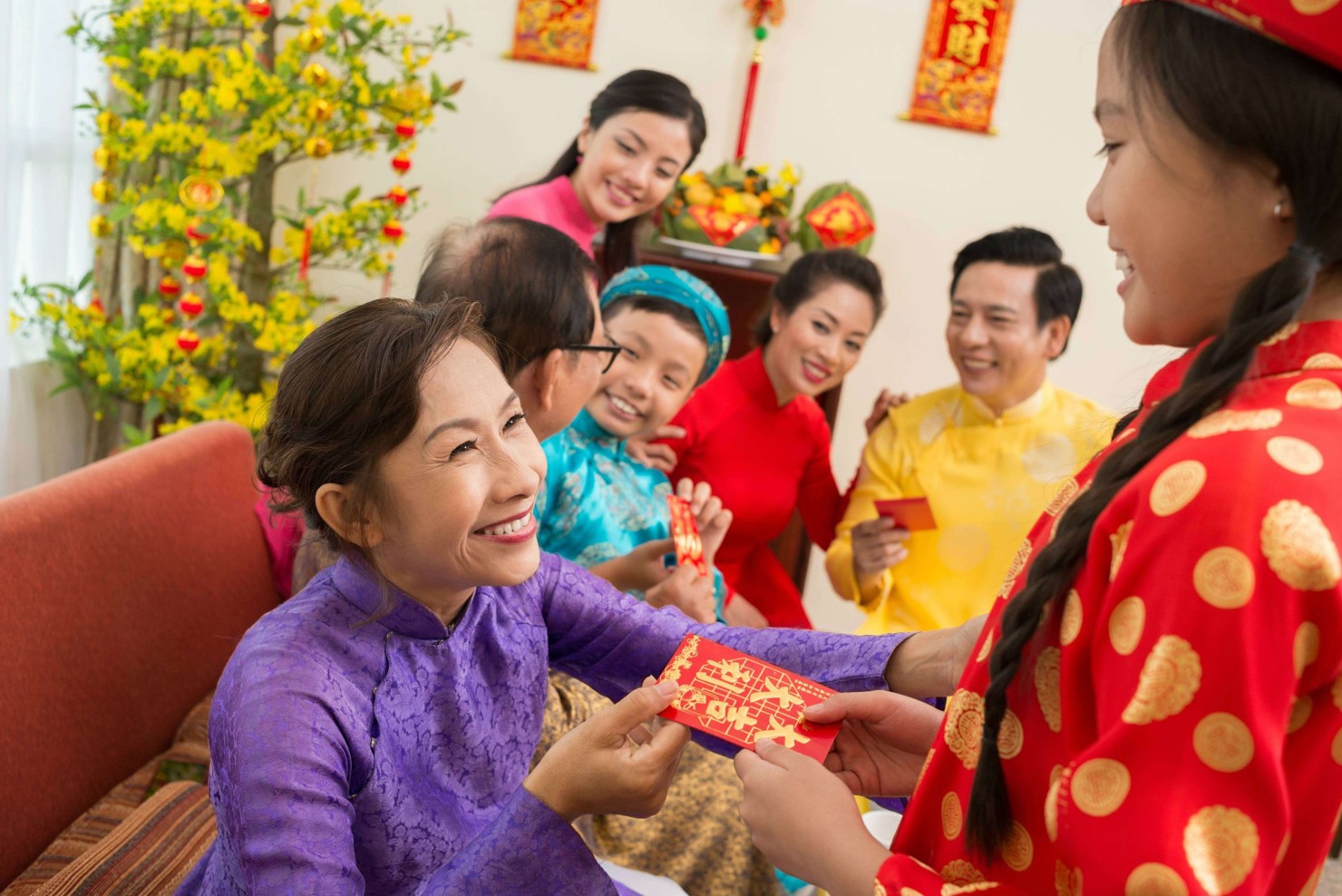
Other common activities include picking the first spring bud, giving lucky money (lì xì), choosing an auspicious direction for the first trip of the year, and opening businesses on a “good” day to invite prosperity.
In modern life, many families use the long holiday to travel within Vietnam or abroad — a new way of welcoming the new year while still holding on to the spirit of renewal.
3. The Closing of Tết
The final days are quieter. Families remove New Year decorations, tidy the house, and burn offerings to mark the end of the holiday. People return to work, students go back to school, and life gradually returns to its normal rhythm.
Even after the festivities end, the warmth and good wishes of Tết linger — a reminder of how deeply this holiday is woven into the Vietnamese soul.
Travel Tips When Visiting Vietnam During Tết
Visiting Vietnam during Tết is magical — but it’s also unlike any other time of year. Here’s how to make the most of your trip:
1. Book everything early
Flights, buses, hotels, and trains fill up weeks before Tết. Prices also rise as demand increases.
2. Expect quieter streets (in cities) and busy airports
Major cities become peaceful as locals travel home, but transportation hubs get extremely crowded.
3. Many shops and restaurants may close
Traditional eateries and local markets often shut down for several days. Tourist areas, however, stay active.
4. Enjoy festive foods — but buy them early
Bánh chưng, bánh tét, pickled vegetables, and candied fruits sell quickly before Tết. Stock up if you want to taste traditional flavors.
5. Respect customs when visiting homes or temples
Avoid wearing black, speak gently, and don’t give sharp or unlucky gifts. Smiling and offering a simple New Year greeting — “Chúc Mừng Năm Mới” — goes a long way.
6. Participate in celebrations
Flower streets, lion dances, fireworks, and spring festivals make Tết an unforgettable cultural experience.
7. Pack patience and curiosity
Travel during Tết can be unpredictable, but the cultural richness more than makes up for it.
Other Articles

YOU MAY ALSO LIKE
19 DAYS - Private Vietnam 19 Days 18 Nights - Explore Vietnam
23 DAYS - Private Vietnam 23 Days 22 Nights - Major of VietNam Trip

38 DAYS - Private Vietnam- Laos- Cambodia- Thailand 38 Days 37 Nights - Southeast Asia Odyssey
Speak to Your Local Travel Expert




Tailor-made My Dream Trip
Excellent
 5/5 Based on Tripadvisor Reviews>
 MRIAZ5280
17th September 2025
MRIAZ5280
17th September 2025
Excellent & Wonderful tour of beautiful Country Vietnam
Myself & my wife booked a 15 day trip of Vietnam. We visited Hà Nội, Ninh Binh, Sapa, Ha long bay, Da Nang, Hoi An, Ho Chi Minh City and Me kong river delta. Vietnam is very beautiful Country. It was a fully guided tour with English speaking guides and wonderful transport arrangements. Our guides were Mr Tu- Steve , Mrs. Du Du, Fletcher Chun & Lê Trí Bình. All of these guides are very professional and Noble people . Very polite and humble. They guided us in excellent manner. Best of all is Miss Van Quang who managed this tour in excellent manner. Very smooth sailing throughout our tour regarding transport, hotels & flights. We are very happy and had a safe arrival home. Go35410861326
24th September 2025
Go35410861326
24th September 2025
Glamour adventures A+++++
We planned our 1st trip to vietnam with glamour adventures and our agent was an.She was fantastic every part of our 2 week trip from ho chi minh upto hoi an and onto hanoi with internal flights all hotels and excursions which an helped us plan. Everthing was fabulous all our guides BINH in ho chi minh was funny we had a great time on our days out with him and driver thank you. Then onto hoi an and our guide was FLETCHER we had such a great time on our tours in hoi an and upto ba na hills such a laugh .the onto hanoi where STEVE was our guide again great fun. All of our guides where so knowledgable about their cities and was always able to give advice on good places to see and do on our freetime thank you all for such experience. But finally back to agent AN. Thank you so much it was a pleasure to meet up with you in hoi an. We highly recommend glamour adventures If your planning a trip to vietnam or anywhere in asia thank you all lee & paula ❤️❤️❤️ John D
13th November 2025
John D
13th November 2025
You MUST USE Glamour Adventures !!!!
We just had the most incredible three weeks in Vietnam and it was largely due to the unbelievable planning, care and attention from the wonderful folks at Glamour Adventures. We worked with Rose and Uyen to plan our trip and everything was taken care of efficiently, professionally and to perfection. Everything you can imagine was thought of including dietary restrictions. There was only one small issue which was dealt with professionally and to our satisfaction. We can’t say enough good things about Glamour Adventures and if you want to visit Vietnam or any of the other countries that they support, you will absolutely be thrilled with your experience. Thank you Rose and Uyen for the wonderful memories. Love Lisa and Michael from Canada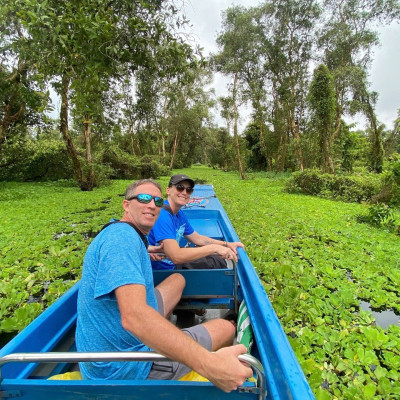 B790FGandreal
13th November 2025
B790FGandreal
13th November 2025
Amazing 4 days in nature
Glamorous adventures customized a tour for us to experience Veitnam's outdoors. Their combination and dedication to service was amazing!! When the typhoon arrived they rearranged everything for us to keep us safe but also kept us enjoying our trip. I3147AVrogerg
13th November 2025
I3147AVrogerg
13th November 2025
Great experience with our tour in and around Luang Prabang in Laos
We had a fantastic experience An put together a great tour and chose a fine local agent for us to tour us around every thing was super well, done, very comfortable, great location, no headache at all, simply very well organised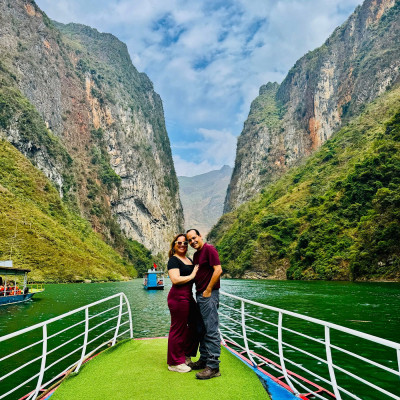 Mrs. Xamaytha Rivera
01st April 2026
Mrs. Xamaytha Rivera
01st April 2026
Amazing Vietnam ❤️
Excellent service, excellent price and a fantastic customer service Tina Thai we did 40 days I Vietnam and I can’t complain for anything, really recommend ❤️-cr-400x400.jpg) Mrs. Vicki
01st April 2026
Mrs. Vicki
01st April 2026